

Burnout is the silent productivity killer lurking in every dev squad. It's exhaustion, a full-on mental and physical shutdown that can turn rockstar engineers into disengaged, unmotivated code monkeys. And the worst part? It's ridiculously common.
So, what's fueling this burnout epidemic? Unrealistic deadlines, endless context-switching, toxic work cultures, and the dreaded "always-on" expectations all play a role. The consequences? Decreased productivity, sloppy code, increased turnover, and devs who mentally check out long before they actually quit.
In this guide, we'll break down the root causes of burnout, its impact on your team, and, most importantly, how to prevent it. Expect actionable strategies, real-world insights, and a no-BS approach to keeping your squad productive—without grinding them into the ground. Let's dive in.
What is developer burnout?
Developer burnout is a full system meltdown. In the software world, burnout happens when devs push themselves too hard for too long, until their motivation, creativity, and mental health crash like an overworked server.
The risks of developer burnout
Burnout is bad for productivity and wrecks your health. Long-term stress can lead to chronic fatigue, anxiety, depression, insomnia, high blood pressure, and even heart disease. Your immune system tanks, making you more prone to getting sick, and your brain struggles with focus and memory. Left unchecked, burnout can push devs to quit tech altogether. Ignoring it isn't an option—it's time to take burnout seriously.
Burnout vs. stress vs. depression
- Stress — You're overloaded but still grinding. You might be exhausted, but you're pushing through.
- Burnout — You've got nothing left. You stop caring, stop trying, and every task feels pointless.
- Depression — It goes beyond work. You feel drained in every aspect of life, even outside of coding.
Measuring burnout: the Maslach Burnout Inventory (MBI)
The Maslach Burnout Inventory (MBI) is the go-to tool for measuring burnout. It looks at three key factors:
- Emotional Exhaustion — You're drained and have zero energy for work.
- Depersonalization — You stop caring about your team, users, and the product.
- Reduced Personal Accomplishment — You feel like your work doesn't matter, even when it does.
The 5 Stages of Developer Burnout
- Honeymoon Phase — You're hyped, pulling all-nighters, loving the grind.
- Onset of Stress — You start feeling pressure. Deadlines pile up. Coffee intake skyrockets.
- Chronic Stress — You're constantly overwhelmed, snapping at pull request comments.
- Burnout — Motivation gone. You dread opening your laptop. Every Jira ticket feels like a personal attack.
- Habitual Burnout — The new normal. Work is soul-crushing. You either quit, check out mentally, or push through at the cost of your health.
How common is software engineer burnout?
Short answer? Way too common. The dev world has a serious burnout problem, and it's only getting worse. Over 83% of software developers have experienced burnout at some point in their careers, which means if you haven't felt it yet—you probably know someone who has.
Post-pandemic, things have gotten even messier. Remote work was supposed to be the dream—no commute, work in pajamas, more freedom. But for a lot of devs, it just blurred the lines between work and life, making it impossible to unplug. The 9-to-5 turned into an always-on grind, with Slack pings at all hours and never-ending Zoom calls.
And here's the kicker: Workers who are burned out are 3x more likely to look for another job. That means burnout isn't just hurting devs—it's draining companies of their best talent.
What causes developer burnout?
Burnout happens when devs are pushed too hard for too long. One day, you're pumped to code—next, you're questioning every life choice. Insane workloads, bad management, and nonstop stress wear you down.
- Heavy workloads and unrealistic deadlines
- Poor work-life balance
- Unclear expectations and lack of autonomy
- Toxic work environments and lack of support
- Monotony or lack of career growth opportunities
- On-call duties and firefighting mode
The cost of developer burnout
Burnout is really expensive. It wrecks teams, codebases, and entire companies. When devs hit the wall, everything suffers—motivation tanks, bugs pile up, and squads bleed talent.
- Impact on individual well-being (mental health, personal life, physical health)
- Productivity loss (reduced creativity, cognitive overload)
- High turnover rates (why companies should care)
- Declining code quality and increased technical debt
How to spot signs of developer burnout
You don't wake up one day completely burned out—it sneaks up on you. Energy fades, motivation tanks, and even the simplest tasks feel impossible. Devs start missing standups, ignoring PR comments, and snapping at teammates over tiny issues.
- Loss of motivation and engagement
- Persistent exhaustion and fatigue
- Increased irritability and frustration
- Cognitive overload leading to decreased performance
- Withdrawal from team collaboration and communication
5 strategies to prevent developer burnout (for developers)
Burnout isn't inevitable. With the right mindset and habits, you can keep your energy, motivation, and sanity intact while still crushing code.
1. Set boundaries
Learn to say no when workloads get out of control. Piling on extra tasks might feel like a power move, but grinding 24/7 leads straight to burnout. Protect your time, and don't be afraid to push back when needed.
2. Prioritize mental and physical health
Your brain runs on more than just caffeine and adrenaline. Exercise, sleep, and mindfulness keep you sharp, focused, and ready to tackle complex problems without running on fumes.
3. Take regular breaks
Powering through for hours might feel productive, but it wrecks focus. Use the Pomodoro technique or deep work sessions to stay fresh, avoid burnout, and keep your problem-solving skills on point.
4. Switch projects or jobs if needed
If burnout keeps coming back no matter what, it might be time for a bigger change. A new project, squad, or even company could be the reset button needed to get back on track.
5. Find meaning in work
Cranking out code for the sake of it gets old fast. Align tasks with career goals and personal interests to stay motivated and make work feel rewarding instead of draining.
5 strategies to prevent developer burnout (for managers)
Great managers don't just focus on deliverables—they build teams that can sustain high performance without crashing and burning.
1. Encourage sustainable workloads
Pushing devs to the limit might get short-term results, but long-term, it's a disaster. Track issue cycle times and WIP limits to make sure workloads stay realistic. A well-rested dev ships better code—period.
2. Foster a culture of support & recognition
A squad that feels valued sticks around. Call out wins, celebrate achievements, and make sure your devs know their work matters. Even a quick shoutout in Slack can go a long way.
3. Offer flexible work arrangements
Hybrid and remote setups help devs manage stress and stay productive. Give your team options, whether it's work-from-home days or fully remote roles. Happy devs write better code.
4. Monitor burnout risk through metrics
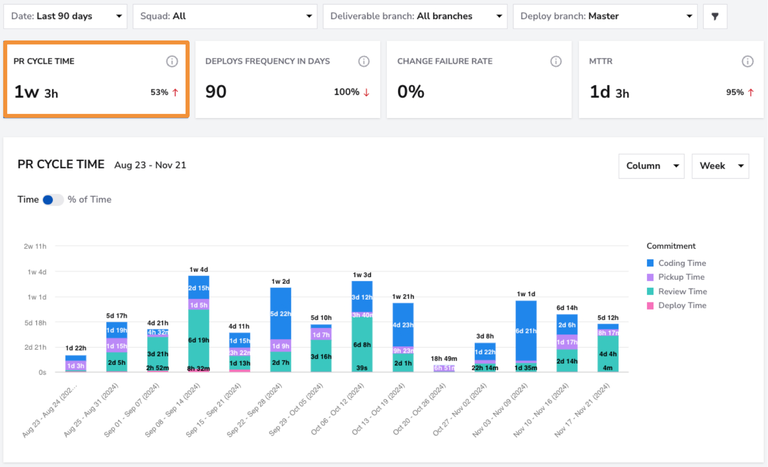
Burnout isn't always obvious until it's too late. Use DevStats or similar analytics to track engagement, PR cycle times, and workload trends. Spot problems early, fix them fast.
5. Invest in developer growth
No one wants to feel stuck. Provide training, mentorship, and clear career progression paths. When devs see a future in your company, they stay motivated and engaged.
How to use software engineering metrics to prevent burnout
You don't have to guess when burnout is coming. With the right engineering metrics, you can spot the warning signs early and make adjustments before your team crashes.
Track workload and capacity
Too much work, too little time, and the squad is drowning. Too little work, and productivity tanks. The key is to track workload trends over time and ensure tasks are fairly distributed.
Use developer experience (DevEx) metrics to track burnout risks
Developer experience isn't just about nice tools—it's about how efficiently and sustainably your team can work. Activity Heatmaps track when devs are working the hardest and whether they're getting uninterrupted focus time.
Monitor PR cycle time, issue cycle time, and work breakdown
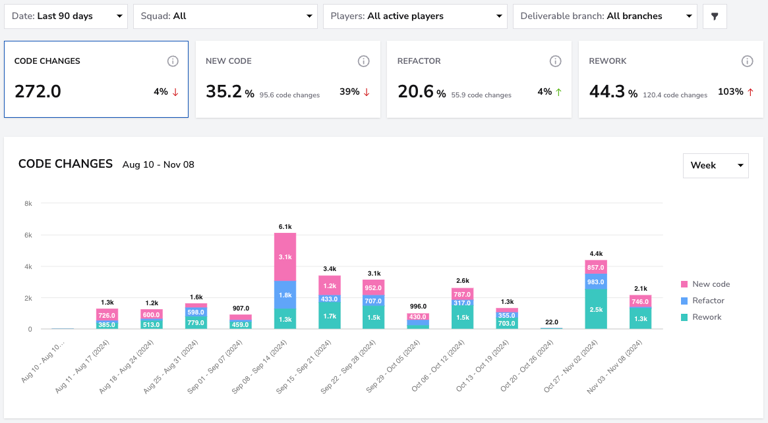
A slow-moving pipeline can frustrate devs, while a never-ending backlog can overload them. Keeping an eye on PR cycle time, issue cycle time, and work breakdown helps ensure a steady, sustainable flow of work.
Track Daily WIP (Work in Progress) to prevent developer overload
If a dev has too many active tasks, they're stuck context-switching instead of shipping code. Tracking Daily WIP helps keep work manageable.
Look at code review engagement and collaboration trends
Code reviews are where knowledge-sharing, quality control, and team collaboration happen. If engagement starts dropping, it's often a sign that devs are disengaged or overworked.
The impact of remote work on developer mental health
Remote work sounded like the dream—no commute, no distractions, coding in sweatpants. But for many devs, it's been a double-edged sword.
The pros
- Flexibility: Work when you're most productive, whether that's 6 AM or midnight.
- Reduced commuting stress: No more wasting hours in traffic or on packed trains.
- Improved focus: Fewer office distractions, more deep work time.
The cons
- Blurred work-life boundaries: The laptop is always right there, tempting you to work late.
- Overwork culture: Without clear stopping points, it's easy to burn out.
- Isolation: Fewer casual chats, less human interaction, and more time stuck in your own head.
The solutions
- Asynchronous communication: Stop the constant Slack pings; let devs work uninterrupted.
- Structured work schedules: Set clear work hours and enforce real breaks.
- Remote team bonding activities: Virtual game nights, casual chats, or co-working sessions to keep squads connected.
Recovering from developer burnout: steps to get back on track
Taking a real break is the first step. Step away from the keyboard, unplug from Slack, and give your brain time to reset. Once you've had space to recharge, reassess work priorities and set boundaries to create a sustainable workload moving forward.
Energy levels bounce back faster when you engage in activities that replenish you—exercise, hobbies, or just getting outside. If burnout has hit hard, talk to your manager or HR about adjustments and consider therapy or career coaching. Reset your nervous system with sleep, mindfulness, and stress management, so you can come back stronger.
Burnout happens, but it's not a life sentence—staying aware, setting boundaries, and making smart workload decisions can keep you in the game.